How Does Art Therapy Enhance Communication in Dementia Care Homes?
When someone you care about starts to have problems with remembering things, it can be an overwhelming task to find ways to reconnect with them. However, art therapy is popular in memory care for helping bridge the communication gap caused by dementia. Art therapy sessions on painting or drawing can help your loved one convey the emotions that words may no longer convey.
Besides helping them communicate, it can also enhance their well-being and emotional connection. As you consider the best environment for your loved one, understanding the benefits of art therapy in a supportive memory care home can bring hope and clarity.
10 Ways Art Therapy Enhances Communication in Dementia Care Homes
Here’s how art therapy helps bridge the communication gap for dementia residents:
1. Unlocks Nonverbal Expression
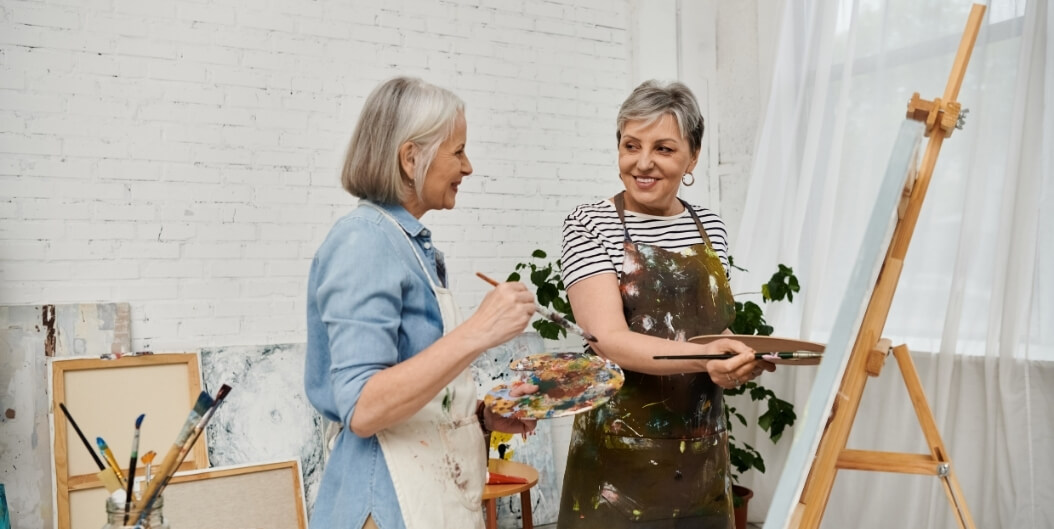
As dementia advances, it often becomes hard for individuals to communicate verbally. Art therapy provides a powerful channel for your loved one to express their thoughts and feelings without relying on conversation. They could express themselves through colors, brushstrokes, or shapes.
This kind of expression can also ease their frustration. Moreover, it gives caregivers a clearer understanding of what goes on in a resident’s mind. In a memory care community, even a simple drawing can open new lines of understanding. Art becomes a language of its own.
2. Stimulates Long-Term Memory Recall
Engaging in art has a special way of activating parts of the brain associated with long-term memories. Several things could trigger old memories of people or places. It could be the colors your loved one uses, the subjects they’ve chosen to paint, or the music played during a session.
This memory retrieval is great for improving communication. At the same time, it helps caregivers and loved ones connect over shared history. In a memory care assisted living setting, these moments of clarity can be deeply meaningful for everyone involved in the caregiving journey.
3. Encourages Social Interaction
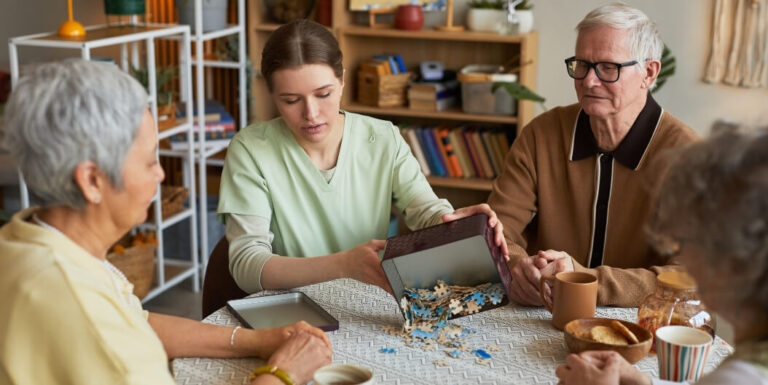
Group sessions in art therapy create opportunities for conversation and bonding with other residents. These shared, creative experiences are the perfect platforms for natural socialization and engagement. A resident may comment on a fellow member’s artwork, share an associated memory, or simply take pleasure in painting adjacent to another.
The social atmosphere eases isolation and encourages gentle interaction, even among those who would often choose to stay in the shadows of the social world. In a dementia care community where loneliness can affect well-being, art therapy fosters a warm, inclusive environment.
4. Reduces Anxiety and Agitation
Dementia can often induce unsettling moments of confusion, restlessness, and anxiety. But art therapy will introduce your senior loved one with dementia to a calm and clear routine that will help ground them in the moment. The process of creating artwork can be deeply and durably soothing. It’s a great way to redirect focus from stress to creativity that’s found in art.
The calming influence is what makes art therapy such a valuable tool for managing behavioral symptoms of Alzheimer’s and dementia. As agitation lessens, communication becomes easier and better. Caregivers and family members may notice residents becoming more responsive and more open.
5. Builds Resident-Caregiver Connection
Art therapy is not only about self-expression but also about creating a bridge between the residents and those who care for them. It allows the residents to partake in group activities and, in those moments, caregivers can watch your loved one closely and notice the subtle cues that might give them insight into what they truly like or how they feel. Those clues lead the caregivers to provide more personalized care.
For example, a resident’s color choices or subject matter might reveal mood changes or personal memories. In a memory care community, these interactions deepen trust and strengthen bonds with caregivers. Art fosters a two-way street where listening and communicating without words is almost natural.
6. Promotes Confidence Through Creativity
The sense of independence and self-worth that people used to have can diminish with dementia. But art therapy might restore some of that. It gives residents the freedom to make choices and produce something entirely their own.
Completing an art project brings a tangible sense of accomplishment, even though it’s a small one. That moment of pride can make your loved one smile and renew their willingness to engage. Celebrating these successes plays a vital role in boosting self-esteem. Residents begin to see themselves as artists and creators instead of patients.
7. Inspires Storytelling and Reminiscence
A simple painting can trigger a powerful memory for your senior loved one and sometimes, a story worth sharing. Art therapy can often bring them to the point where they start to talk about their past. A landscape may remind them of their childhood home, or a handmade collage may bring back memories of family traditions.
In a dementia care home, these moments of unbidden storytelling deepen social connections. They help caregivers and family members learn more about their loved one’s life history. Hence, the artwork becomes a doorway through which memories come back.
8. Supports Emotional Recognition
Dementia can cloud your loved one’s ability to understand and name emotions. Through art therapy, they can explore their feelings in a safe, creative space, gaining a vital tool to navigate the world of emotion. Bright colors may represent happiness; bold strokes might express frustration or fear.
Over time, memory care staff may come to recognize the emotional patterns emerging in your loved one’s artwork. This visual feedback will help you and memory care staff understand the kinds of difficult emotions your loved one may experience.
9. Provides a Shared Activity Space
Art therapy offers residents a reason to convene (a time and place in the neighborhood where they can naturally connect). The art room or creative corner becomes more than just a workstation. It becomes a hub for interaction and shared goals.
Whether your loved one is working on a collaborative mural or carrying out individual projects, they are more likely to benefit from the warm and welcoming climate of the creative space than they would from engaging in solitary art therapy. These shared moments help reduce isolation and encourage gentle routines.
10. Fosters a Sense of Identity
Dementia can slowly strip away the details that create a person’s identity. This includes names, roles, and relationships. However, art therapy offers a way to reclaim and reinforce that sense of self. Through creative projects, your loved one can reflect on who they are, what they love, and what still matters to them.
Since there are several artistic channels, they can make personal choices that affirm their individuality. For some people, painting a beautiful flower is the perfect artistic outlet, while others may choose to design a collage of past travels.
Looking for a Safe and Comfortable Home for Your Loved One With Dementia? Discover Buffalo Creek Assisted Living & Memory Care Today
Art therapy has proved to be more than a mere activity to fill one’s day. In memory care, it’s a lifeline for communication, emotional connection, and dignity. Whether through individual expression or group interaction, art helps to bring families and caregivers closer to the people they love and care for.
The memory care community at Buffalo Creek embraces creativity as a way to help residents thrive. Want to see how we bring compassion and creativity together? Take a tour of our community or schedule an on-site visit today to experience firsthand how Buffalo Creek Assisted Living & Memory Care supports meaningful connection.