
Why Personalized Wellness Programs Are Essential in Memory Care
The quality of memory care for your loved one with Alzheimer’s or dementia is heavily influenced by how well the community addresses their specific needs and interests. Basic care and safety are essential, but personalized wellness programs can help your loved one transition from just getting by to truly thriving, even with their diagnosis.
What Is the Relationship Between Personalized Wellness Programs and Memory Care?
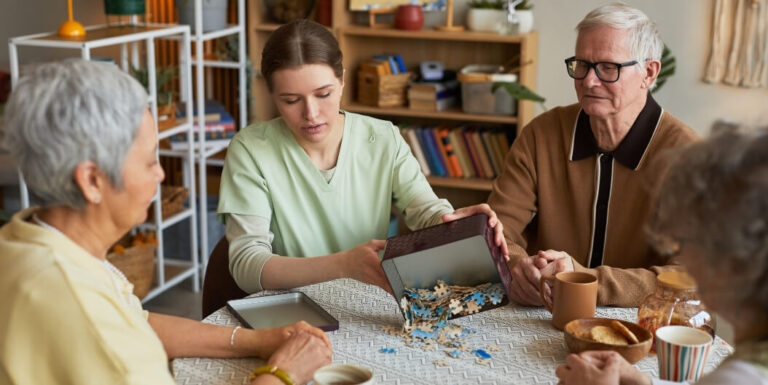
Memory care communities offer wellness programs that are tailored to each resident’s specific background, interests, abilities, and current cognitive level. Generic programming requires all residents to do the same things while personalized programs, on the other hand, create experiences tailored to each individual based on their life history, career, hobbies, and personal preferences.
These programs understand that even when a person’s cognitive function changes, they retain aspects of their personality, skills, and interests. Personalized wellness programs do not treat all residents in the same manner. Instead, they recognize what distinguishes each individual and tailor activities around those characteristics.
Why Memory Care Requires Personalized Wellness Programs
They Maintain an Individual Sense of Self and Dignity
When your loved one engages in activities that reflect their personality, career, or lifelong interests, they remain true to themselves. This allows them to maintain their sense of self outside of their cognitive challenges diagnosis and promotes emotional health by making them feel valued for their unique characteristics and experiences.
Provides Appropriate Amount of Cognitive Stimulation
Personalized programs are tailored to your loved one’s current level of ability. These specific stimulating activities are superior to general programs as it keeps your loved one engaged at just the right level without making them feel agitated.
Improves Behavioral and Mental Health Issues
Many problematic behaviors in dementia residents stem from boredom, frustration, or a feeling that no one understands them. When your loved one engages in activities that are meaningful to them and tailored to their needs, they are less likely to become angry, sad, or withdrawn because they feel involved and successful rather than confused or ignored.
Make Life More Enjoyable and Interesting
Activities that are relevant to your loved one’s interests will naturally engage and entertain them. Residents are more interested, happier, and engaged throughout the day when programming is personal to them.
Help Maintain Skills and Abilities
Personalized wellness programs do not focus on what your loved one is no longer capable of doing. Instead, they identify and develop their remaining abilities and skills. This strength-based approach allows your loved one to remain functional longer and gives them opportunities to feel capable and successful.
They Foster Meaningful Family Connections
Personalized wellness programs frequently incorporate family history and traditions. This allows people to visit and share meaningful experiences. Visits are more interesting and emotionally rewarding for both residents and families when activities are linked to family memories or cultural traditions.
They Adapt to Meet New Needs
People’s abilities and interests may change as their dementia progresses. Personalized programs constantly monitor and adjust activities to accommodate your loved one’s current level of functioning. This ensures that they can always participate effectively, regardless of how their condition changes.
Examples of Personalized Wellness Memory Care Activities
Activities Related to Work and Career
Former teachers may read books or engage in other educational activities, whereas retired mechanics may work on building projects appropriate to their skills. Similarly, former nurses may enjoy caring for plants or performing simple health-related tasks, while business professionals may assist in the planning or organization of activities.
These career-based programs rely on deeply ingrained professional skills and knowledge, which frequently outlast other cognitive abilities. As a result, they provide familiar and meaningful ways to participate.
Hobby and Interest-Based Activities
If your loved one enjoyed gardening, they might do indoor gardening projects or care for plants. People who enjoy music can listen to their favorite genres or sing along to songs from their generation. People who enjoy art may enjoy painting or doing crafts, whereas sports fans may enjoy playing simple games or watching their favorite teams together. These activities are based on interests that will always make you happy, regardless of how your other skills change.
Cultural and Religious Events
Communities create events tailored to your loved one’s cultural background, religious, or spiritual beliefs. This could include celebrating holidays that have always been significant to your family, listening to traditional music, eating foods from your culture, or participating in religious or spiritual activities that have been tailored to your needs. These cultural ties allow your loved one to remain connected to their identity and values, which is beneficial to their mental health because they can rely on familiar traditions and customs.
Sensory and Memory Therapy
Personalized sensory experiences incorporate elements from your loved one’s life to evoke positive memories and emotions. This could include music from their childhood, smells from their childhood home, textures associated with their hobbies, or photo albums containing images of their own experiences. Reminiscence activities are more meaningful and emotionally engaging because they focus on your loved one’s actual experiences rather than broad historical topics.
Life Skills and Home Activities
Many residents find comfort and purpose in life skills tailored to their current abilities. This could include simple cooking or baking projects using family recipes, folding laundry, organizing belongings, or caring for plants or pets. These household tasks provide a sense of normalcy and purpose while also utilizing muscle memory and skills that are often retained in dementia patients.
Activities for Socializing and Developing Relationships
Personalized social programming and amenities considers your loved one’s personality and social preferences. Extroverts may enjoy parties and group activities, whereas introverts may prefer one-on-one conversations or small groups. You could write letters to family members, participate in small discussion groups about topics of interest to you, or share your stories and experiences with other residents from similar backgrounds.
Why Personalized Care Makes All the Difference at Buffalo Creek Assisted Living & Memory Care
Buffalo Creek Assisted Living & Memory Care provides comprehensive programs that cater to each resident’s specific needs and interests. This way, you can celebrate your loved one’s uniqueness with personalized wellness programming. Our Pathways Program ensures that your loved one receives care that reflects who they are and helps them live the best life possible.
Contact us today to book a tour and learn more about how our personalized wellness programs in Waxahachie, Texas, can help your loved one live well with dementia in our compassionate memory care community.